Borescope Inspections Explained for PT6 and JT15D Engines
See what a turbine borescope inspection reveals in PT6 and JT15D engines and how early findings help prevent downtime and costly repairs. Learn when to schedule yours.
See what a turbine borescope inspection reveals in PT6 and JT15D engines and how early findings help prevent downtime and costly repairs. Learn when to schedule yours.
A borescope inspection is one of the most valuable tools in turbine engine maintenance. It allows technicians to look inside an operating engine without disassembly and see early signs of wear, damage, or contamination before those issues become expensive problems.
For operators of PT6 and JT15D engines, borescope inspections play a critical role in maintenance planning, troubleshooting, and pre purchase evaluations. This article explains what a borescope inspection is, what it reveals, when it should be performed, and how the results guide next steps.
Aerodyne performs borescope inspections as part of its turbine engine services for PT6 and JT15D platforms. You can learn more about our overall approach to engine care on our turbine engine services page.

A borescope inspection is a visual examination of internal engine components using a flexible camera system inserted through designated access ports.
Part of an NDT process called non-destructive testing, it allows technicians to inspect critical areas such as compressor blades, turbine blades, vanes, and combustion sections without removing the engine from the aircraft.
In simple terms, it is how mechanics see inside an engine that is still installed.
For PT6 and JT15D engines, this inspection focuses on areas most exposed to heat, pressure, and airflow.
These areas experience gradual wear that cannot be detected from the outside.
Turbine engines rarely fail without warning. They show signs first. A borescope inspection allows those signs to be identified early.
These inspections help operators:
Detect foreign object damage before it spreads
Identify blade cracking or erosion
Monitor hot section condition
Confirm causes of vibration or performance changes
Support maintenance planning and budgeting
Provide documentation for aircraft buyers and sellers
Borescope findings often determine whether an engine can continue operating safely or needs targeted maintenance.
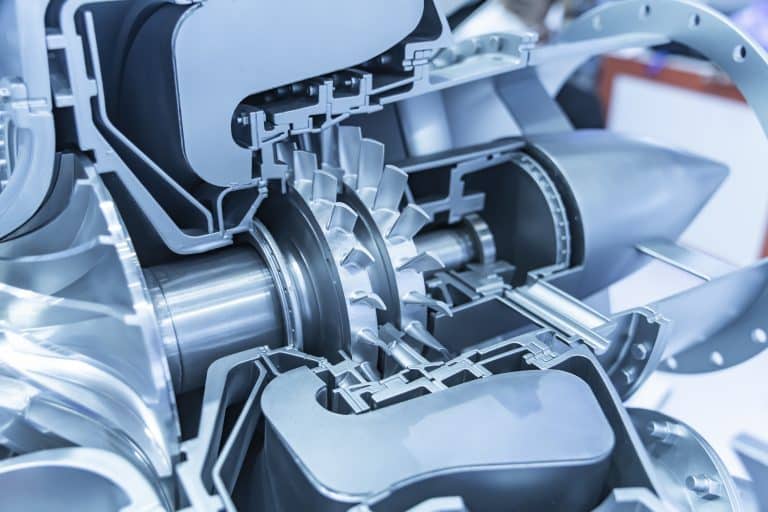
Each inspection follows a defined process and checklist. Technicians evaluate specific components based on engine model and symptoms.
Common inspection targets include:
Compressor Section
Blade tip damage
Erosion or corrosion
Evidence of foreign object impact
Oil contamination or residue
Combustion and Hot Section
Cracks in turbine blades or vanes
Burn patterns on components
Heat distress or distortion
Carbon buildup
Turbine Section
Blade alignment and condition
Surface pitting
Signs of thermal fatigue
These findings are compared against manufacturer limits and historical engine condition.
When hot section wear is suspected, Aerodyne may recommend further evaluation using procedures outlined on our hot section inspections for turbofans page.

Borescope inspections are not only reactive. They are also preventive.
They are commonly performed when:
Engine performance trends change
A chip light or abnormal indication appears
The aircraft ingests debris or sand
Abnormal vibration is detected
Prior to a scheduled hot section inspection
Before buying or selling an aircraft
For many operators, borescope inspections are part of routine maintenance intervals rather than emergency responses.
A borescope inspection is powerful, but it has limits. Understanding those limits is important for realistic expectations.
A borescope can show:
Visual damage
Surface cracks
Heat distress
Foreign object impact
General component condition
A borescope cannot determine:
Internal metal fatigue below the surface
Remaining life of a component
Exact cause of every temperature or vibration change
Condition of parts not visible through access ports
This is why borescope findings must be interpreted by experienced turbine technicians who understand how symptoms relate to internal wear.
Once inspection results are documented, they guide next steps.
Possible outcomes include:
Continued Operation with Monitoring
If wear is within limits, operators may continue flying with trend monitoring and a planned follow up inspection.
Targeted Component Repair
If damage is localized, technicians may recommend removal of specific hot section components for shop inspection and rework.
Scheduled Maintenance Event
If wear is advanced, operators can plan a maintenance visit instead of waiting for an unscheduled grounding.
This approach allows maintenance to be planned rather than forced by failure.
Aerodyne integrates borescope findings into broader planning that also considers life limited parts and usage history.
In many cases, Aerodyne performs borescope inspections in the field as part of AOG support or scheduled visits.
When hot section work is required, components can be removed from the aircraft on site and returned to the shop for full inspection and rework.
This approach avoids repositioning the aircraft and avoids full engine removal in many situations.
It allows operators to resolve issues faster while keeping the aircraft where it is.

While every engine is different, some findings appear frequently.
PT6 Engines
Compressor blade erosion
Sand or dust ingestion marks
Turbine vane cracking
Oil residue in airflow path
JT15D Engines
Turbine blade heat distress
Combustion liner wear
Foreign object damage
Early cracking at blade roots
Recognizing these patterns helps technicians predict future maintenance needs.
Borescope inspections remove guesswork from turbine engine maintenance. They allow operators to see what is happening inside their engines and make informed decisions instead of reacting to failures.
For PT6 and JT15D engines, this visibility is one of the most effective ways to protect reliability, control costs, and support long term operation.
Aerodyne uses borescope inspections as part of a complete turbine service approach that includes field support, in house inspection capability, and maintenance planning.
If you want help evaluating your engine condition, scheduling a borescope inspection, or reviewing recent findings, our team is ready to assist.
It shows the visible condition of internal engine components such as compressor blades, turbine blades, and vanes. It identifies cracks, erosion, heat damage, and foreign object impact.
Inspections are recommended when performance trends change, before hot section work, after debris ingestion, and during pre purchase evaluations. Many operators also include them in routine maintenance intervals.
No. A borescope inspection is a visual evaluation only. A hot section inspection involves component removal and detailed shop level inspection.
Yes. It provides direct evidence of internal engine condition and can reveal costly issues before purchase.
Yes. Findings are documented and become part of the engine’s maintenance history.