How Aerodyne Turbine AOG Support Works for PT6 and JT15D Engines
Learn how turbine AOG response works for PT6 and JT15D engines, from on-site inspections to hot section component removal and in-house repair planning.
Learn how turbine AOG response works for PT6 and JT15D engines, from on-site inspections to hot section component removal and in-house repair planning.
When a turbine engine issue grounds an aircraft, decisions must be made quickly and correctly. Operators need accurate diagnosis, qualified technicians, and a clear path back to service.
At Aerodyne, Aircraft on Ground support is built around real turbine expertise. We specialize in PT6 and JT15D engines and provide both mobile field service and in-house turbine maintenance through our FAA-certified facility.
This article explains how Aerodyne handles turbine AOG events and why operators across the Americas rely on our team when aircraft availability matters most.
Learn more about our full capabilities on our turbine engine services page.
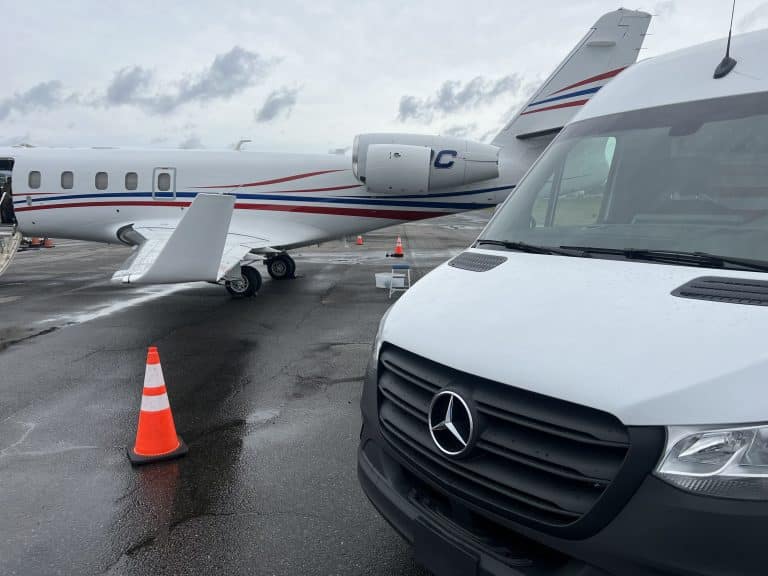
Effective AOG support requires more than speed. It requires the ability to evaluate the engine properly and recommend the correct repair path.
True turbine AOG service includes:
Accurate technical assessment
On-site inspection using approved tools
Clear documentation
Repair planning based on findings
Guidance to reduce repeat failures
Aerodyne structures every response around these fundamentals.
Each request begins with a detailed discussion of the engine model, operating symptoms, recent flights, and any available trend data.
This allows the field team to prepare before traveling.
Our technicians travel with borescope equipment, diagnostic instruments, and calibrated tooling.
They arrive prepared to inspect internal engine components without unnecessary disassembly.
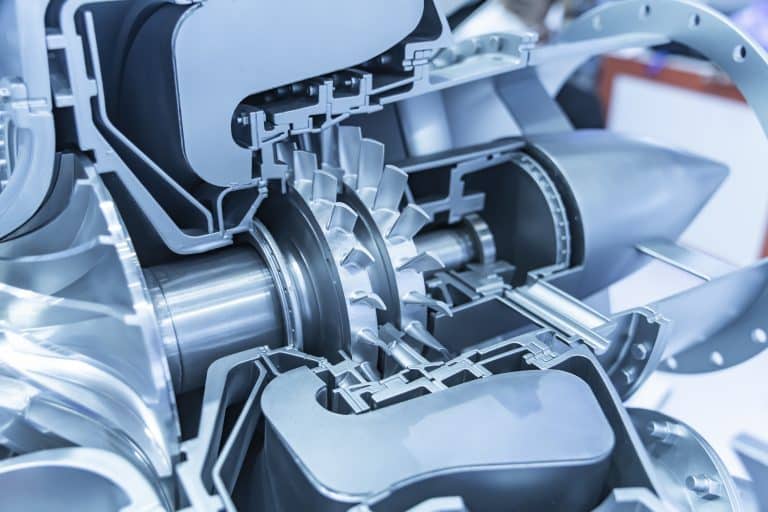
On arrival, inspections may include:
Borescope examination of compressor and turbine sections
Gearbox and accessory system checks
Foreign object damage evaluation
Oil system and vibration analysis
When required, hot section components are removed from the aircraft in the field and transported to our shop for inspection and rework. This eliminates the need to reposition the aircraft or remove the entire engine. More details are available in our guide to hot section inspections for turbofans.
Operators receive a clear explanation of inspection results and next steps. Some issues can be corrected on-site and others require shop work. All recommendations are based on safety, reliability, and cost control
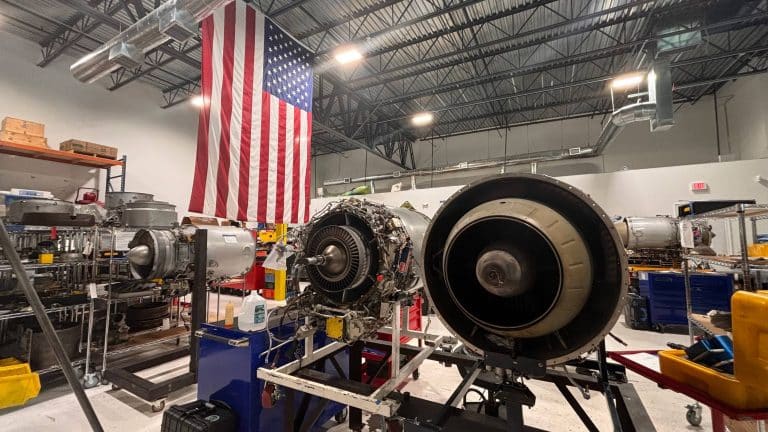
Every AOG response is backed by Aerodyne’s dedicated turbine facility, which provides:
Specialized PT6 and JT15D tooling
Experienced and FAA certified turbine technicians
Parts access and logistics coordination
Documentation and compliance systems
If deeper repair is required, work transitions directly into our shop without losing continuity or information.
We also integrate cost-effective solutions through our PMA parts program. This allows operators to avoid long OEM lead times while maintaining full traceability and airworthiness approval.
Most turbine AOG situations follow known patterns:
Performance changes after takeoff:
Often linked to compressor efficiency loss or hot section wear.
Unusual vibration or noise:
May indicate bearing wear, imbalance, or foreign object damage.
Abnormal temperature or fuel flow readings:
Can signal turbine blade distress or airflow disruption.
Chip lights or oil system warnings:
Require immediate inspection to prevent secondary damage.
Aerodyne technicians focus on identifying root causes rather than temporary fixes.

Response time depends on location and logistics. In many cases, a technician can be dispatched within twenty-four to forty-eight hours.
Yes. Aerodyne supports turbine AOG events anywhere you are, including international locations when access and customs allow.
Yes. Hot section components are removed in the field and returned to our shop for inspection and rework. This avoids aircraft repositioning and full engine removal.
Yes. We provide turbine evaluations that include borescope inspections, logbook review, and life-limited parts analysis. These services help buyers avoid unexpected maintenance costs.
A grounded aircraft affects schedules, revenue, and customer trust. Aerodyne exists to provide reliable turbine solutions when those disruptions occur.
From PT6 and JT15D field service to planned inspections and parts support, our goal is simple. Keep aircraft flying safely and predictably.
If you need turbine support now or want to plan upcoming maintenance, our team is ready to help.
Fill out the form below
to request support or schedule service.
Your aircraft belongs in service. We help keep it there.