ODA in Plain English: Why In-House Certification Authority Speeds Aerospace Programs

Below, we’ll explain how an Organization Designation Authorization helps aerospace programs move faster by aligning certification, engineering, and FAA PMA manufacturing.
Table of Contents
    Add a header to begin generating the table of contents

    What Is ODA and Why Does It Matter?

    Organization Designation Authorization, commonly referred to as ODA, allows qualified aerospace organizations to perform specific certification functions under FAA oversight. Instead of waiting for every approval step to move through external channels, authorized teams can evaluate compliance internally and keep engineering programs moving forward.

    For operators, manufacturers, and maintenance teams, this changes how quickly parts and modifications reach completion. Certification stops being a separate step at the end of development and becomes part of the workflow from the start. That integrated structure is easier to understand when you review how Aerospace Design & Compliance’s FAA PMA manufacturing capabilities bring engineering, certification, and production together inside one organization.

    Why Certification Delays Slow Aerospace Programs

    Anyone who has managed aircraft modifications understands how quickly timelines expand when engineering, compliance, and manufacturing operate independently.

     Engineering teams may finish design work, but progress slows while approvals move through multiple review layers.

    ODA helps eliminate that stop-and-wait cycle. Qualified engineers make compliance findings within an FAA-approved framework, allowing certification activities to progress alongside engineering work rather than after it. 

    The FAA still maintains oversight, but the workflow becomes more efficient and predictable.

    This approach reduces downtime caused by communication gaps between vendors and keeps programs aligned with operational schedules.

    How ODA Works Behind the Scenes

    The FAA grants ODA authority only to organizations that demonstrate technical maturity, strong procedures, and proven compliance systems. 

    Within an ODA structure, designated engineers review data, verify regulatory requirements, and document findings under FAA supervision.

    This process does not reduce safety standards. Instead, it aligns certification with real-world engineering timelines. When paired with PMA manufacturing, certification becomes part of the production process rather than a barrier that slows it down. 

    You can see how the certification authority integrates with production approval by reviewing the overview of our PMA parts program.

    Why ODA Speeds Programs Without Compromising Compliance

    Certification delays often happen when approvals are treated as checkpoints instead of continuous activities. With ODA, engineering teams address compliance requirements during development. Manufacturing teams prepare tooling while certification reviews progress in parallel.

    For operators who have experienced long searches for replacement components, this integrated approach can significantly reduce downtime. Instead of waiting for surplus inventory to appear, engineering and manufacturing teams can move forward with approved solutions supported by FAA oversight.

    Understanding documentation is equally important, which is why many operators reference The FAA Form 8130-3 Explained to understand how airworthiness paperwork supports installation readiness.

    ODA and PMA: Why the Combination Matters

    ODA authority alone does not produce parts, and PMA approval alone does not accelerate certification timelines. When both exist under one roof, aerospace programs gain a clear advantage.

    Engineering teams validate compliance while manufacturing prepares production, keeping documentation consistent throughout the process. 

    This reduces rework, shortens timelines, and allows operators to plan maintenance with greater confidence.

    Organizations that combine delegated certification authority with FAA-approved PMA manufacturing often become long-term partners for operators who need predictable timelines and consistent regulatory support.

    Real-World Perspective: From Design Change to Delivered Part

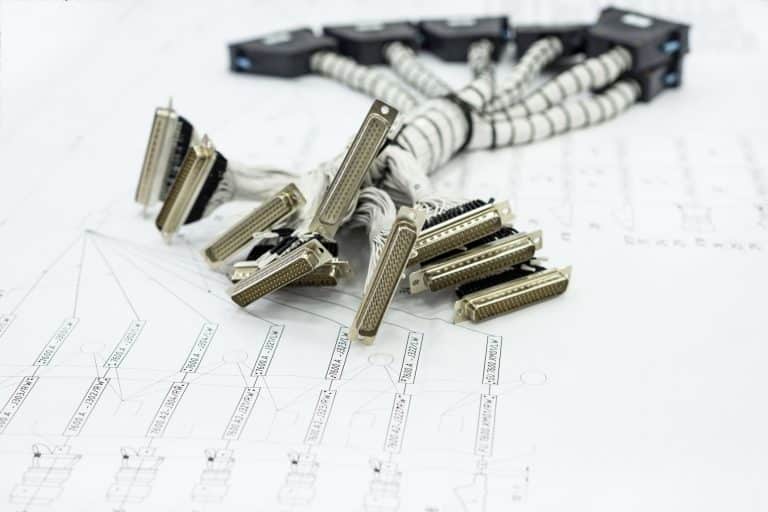
    Consider a replacement wire harness program. Without integrated certification authority, engineering may complete the design only to wait for external review before production begins. Manufacturing schedules shift while approvals are finalized.

    With ODA involvement, engineering and compliance move forward together. Production planning begins earlier, documentation remains aligned with FAA expectations, and installation timelines become easier to manage.

    The result is not simply faster certification. It is a more stable workflow that reduces unexpected delays during maintenance events.

    Why Aerospace Programs Are Moving Toward Integrated Certification Models

    As aircraft fleets age and supply chains tighten, operators are seeking partners that can respond quickly to engineering needs without sacrificing compliance. 

    ODA allows qualified organizations to maintain FAA oversight while moving at a pace that supports real-world operations.

    For operators focused on uptime and dispatch reliability, integrated certification and manufacturing models offer a practical path forward. 

    Instead of reacting to shortages or approval delays, teams can plan solutions with clear timelines and consistent documentation.

    PMA Parts Florida

    Frequently Asked Questions About ODA

    ODA stands for Organization Designation Authorization. It allows qualified organizations to perform specific certification functions under FAA oversight while following approved procedures.

    No. The FAA maintains oversight of ODA programs. Delegated engineers perform compliance findings within an FAA-authorized structure, which helps certification work move more efficiently without reducing regulatory standards.

    When ODA authority exists alongside PMA manufacturing, engineering, certification, and production can progress together. This often shortens timelines, improves documentation consistency, and reduces delays compared to traditional multi-vendor workflows.

    Putting PMA Into Practice

    Understanding certification, documentation, and manufacturing is only part of the equation. The real advantage comes from working with a partner that can design, certify, and produce FAA-approved PMA parts under one roof. Aerospace Design & Compliance combines in-house engineering, ODA authorization, and full manufacturing capability to help operators move from searching for solutions to putting approved parts into service with confidence.

    If you are evaluating replacement components, looking to reduce downtime, or need support navigating certification requirements, explore how Aerospace Design & Compliance’s FAA PMA manufacturing capabilities can support your next program and fill out the form below to contact us about your next project.

    Name
    Scroll to Top