Life-Limited Parts and Replacement Planning for PT6 and JT15D Engines
Learn how to manage PT6 and JT15D life-limited parts, avoid downtime, and improve planning. Covers inspections, PMA alternatives, and expert tips.
Learn how to manage PT6 and JT15D life-limited parts, avoid downtime, and improve planning. Covers inspections, PMA alternatives, and expert tips.
Proper maintenance planning for turbine engines requires a clear understanding of the components that have limited usable life. These are called life-limited parts, and they are essential to safe, reliable operation. This guide explains what life-limited parts are, how to plan for their replacement, and what operators should consider when managing maintenance for Pratt & Whitney PT6 and JT15D engines.
Whether you operate turboprop or light jet aircraft, this information will help you make confident decisions and avoid unexpected component failures. For a broader overview of our capabilities, visit our turbine engine maintenance services page.
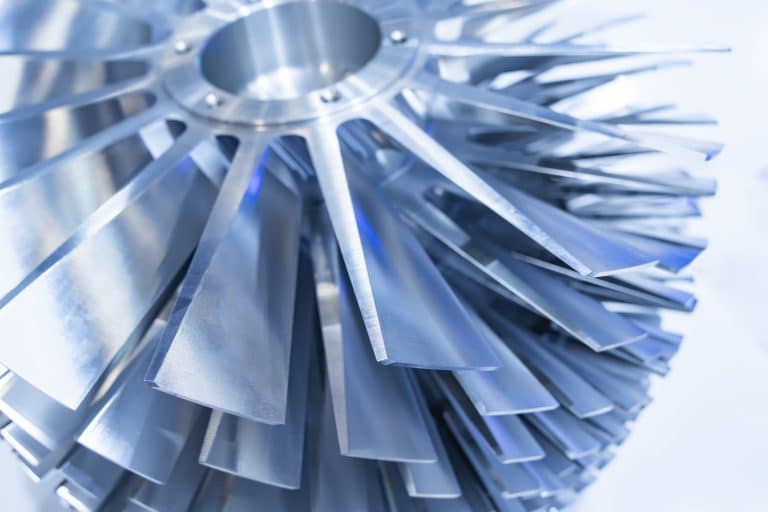
Life-limited parts are engine components that must be replaced after a set number of flight hours, cycles, or calendar time. Manufacturers determine these limits based on extensive testing and real-world performance. The limits are set to avoid structural failures that can occur when a part endures stress beyond its safe life.
Typical life-limited parts include:
Turbine disks and impellers
Compressor disks and blades
Combustion liners
Shafts and core structural components
These parts are inherently critical because they experience high stress, heat, and fatigue. Exceeding their prescribed limits can compromise engine integrity and safety.
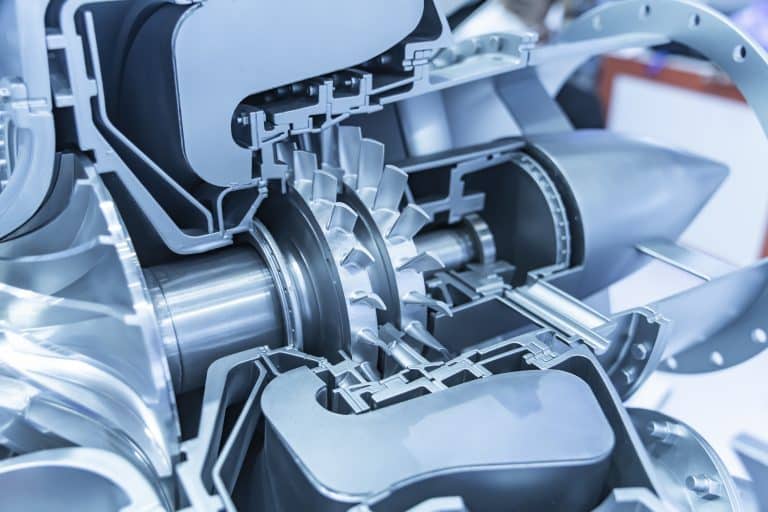
Both the PT6 and JT15D families have life-limited parts. In these engines, parts that experience repeated thermal cycling, compressive loads, and high centrifugal forces are designated for replacement at defined intervals.
For example:
PT6 engines may require replacement of turbine and compressor parts after a set number of cycles or time in service. Learn more about PT6-specific care in our upcoming blog on PT6 engine maintenance best practices.
JT15D engines also have life-limited rotating parts and disks that must be carefully tracked and replaced as required. You can read more in our detailed article on JT15D engine maintenance.
If a life-limited part is not replaced in time, an inspection may reveal excessive wear, cracking, or deformation. In severe cases, parts that are used beyond their limit can fail unexpectedly.
Replacement planning begins with accurate record keeping. Each engine has a maintenance log that tracks:
Total flight hours
Number of start and shutdown cycles
Dates of previous inspections or replacements
This information is essential for calculating when a life-limited part will reach its limit. Most operators use maintenance tracking software that alerts them before a part reaches its maximum allowed time.
Once you know when a part needs replacement, the next step is to schedule the work. That may involve:
Removing the engine from service at a convenient time
Ordering the correct replacement parts
Coordinating with your maintenance provider
Planning ahead helps avoid last-minute AOG situations and reduces the risk of unexpectedly grounding an aircraft. If you’re looking to minimize downtime during this process, explore our aircraft maintenance services for additional support.

While life-limited parts are replaced based on time or cycles, regular inspections help identify early wear. Borescope inspection is one such method used to visualize internal engine components without complete disassembly.
Common inspection steps include:
Checking turbine blades and vanes for cracks
Inspecting compressor stages for erosion or impact damage
Evaluating seals and bearings for wear
Inspection does not replace scheduled replacement of life-limited parts. Instead, it provides confidence that other non-life-limited components remain in acceptable condition. For components exposed to extreme heat, our hot section inspections for turbofans article explains the process in more detail.
Operators sometimes delay part replacement to defer cost. That is a risky approach. If a part fails unexpectedly, secondary damage can result. Repairing multiple parts is almost always more expensive than replacing a life-limited component on schedule.
Proper replacement planning:
Improves engine reliability
Reduces unexpected downtime
Helps maintain aircraft value
Improves resale potential
Experienced maintenance teams can forecast upcoming requirements and advise operators on the optimal times to schedule work.
Aftermarket parts produced under Parts Manufacturer Approval (PMA) can be an important part of replacement planning. PMA parts are FAA-approved and provide an alternative to OEM parts.
Atlantic Jet Partner’s PMA parts division – located at the Aerodyne warehouse, provides high-quality, cost-effective components that:
Meet or exceed FAA airworthiness standards
Are dimensionally and functionally equivalent to OEM parts
Offer lower costs and faster availability
Support legacy aircraft and budget-conscious operators
By integrating PMA options into your replacement strategy, you can reduce overhead without sacrificing reliability.
Engine maintenance records and trend monitoring are the primary tools. Accurate tracking of cycles and flight hours makes it possible to identify upcoming replacements weeks or months in advance.
Inspection does not extend the life limit. Some components may show no visible wear, but the limit is based on fatigue properties that cannot be fully assessed visually. Operators should always follow manufacturer or regulatory limits.
Not exactly. Each engine model and variant may have different life limits for specific components. Always consult the engine manufacturer’s documentation or approved maintenance provider recommendations.
Yes. Once a PMA part is installed, its own life tracking begins. Maintenance tracking should reflect the installation date and start the count from that point.
A robust life-limited parts strategy begins with accurate records, timely inspections, and a clear replacement schedule. Work with a maintenance provider who understands PT6 and JT15D engines, can plan part availability, and helps you stay ahead of limits.
If you want help with life-limited part forecasting, engine inspection planning, or PMA parts sourcing, contact our team today
or fill out the form at the bottom of this page. We’ll respond with a tailored recommendation based on your engine’s current usage and your upcoming schedule.